Table Of Contents
Differences Between Duct Rules
Various duct rules exist to ensure safety and efficiency in heating, ventilation, and air conditioning (HVAC) systems. The duct 2 foot rule is specifically designed to maintain proper airflow and insulation standards. This rule differs from other guidelines that may focus on different aspects of ductwork, such as spacing or material specifications. Each of these rules serves a unique purpose, with the duct 2 foot rule emphasizing the importance of maintaining an adequate distance between ducts and combustible materials or other infrastructure.
The nuances in these rules often arise from regional code variations. For example, in areas like Air Duct Insulation in Trinity Mills, Carrollton, local regulations might adapt broader guidelines to address specific environmental factors. These adaptations can impact installation procedures, making it essential for professionals to understand the differences and ensure compliance. The variations in rules reflect a community’s approach to enhancing energy efficiency and minimizing fire hazards in HVAC installations.
Comparison with Other Duct Regulations
The duct 2 foot rule often stands out when compared to other duct regulations due to its specific focus on clearance requirements. While many standards emphasize efficiency or materials, this rule uniquely mandates a minimum distance between ducts and surrounding structures. This approach aims to promote safety by reducing fire hazards and improving airflow. In practical situations, such as Air Duct Insulation in Trinity Mills, Carrollton, adherence to this rule can enhance the effectiveness of insulation work.
Other duct regulations may address aspects like energy efficiency or airflow performance but lack the stringent spatial considerations of the duct 2 foot rule. These regulations can vary by region and project type, creating a patchwork of compliance that contractors must navigate. For example, while some may prioritize thermal performance, the duct 2 foot rule ensures that physical positioning does not compromise safety or operational integrity. Key projects in areas like Air Duct Insulation in Trinity Mills, Carrollton, illustrate how following this rule can lead to more reliable results in both residential and commercial settings.
Tools and Equipment Needed
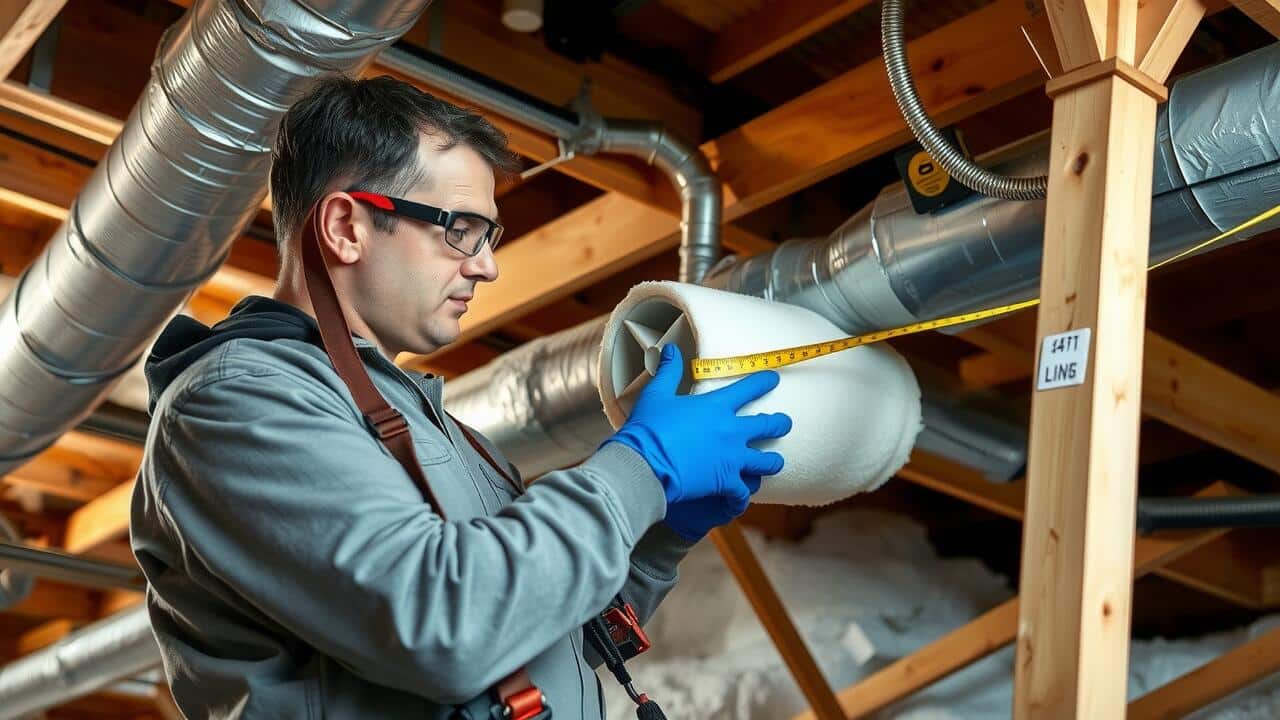
Ensuring compliance with the duct 2 foot rule requires specific tools and equipment tailored for accurate measurement and installation of air ducts. A reliable tape measure is essential, enabling precise evaluations of distances between duct systems and any obstructions. Additionally, consider investing in a level tool to verify the alignment and positioning of ducts, as proper installation plays a critical role in overall system efficiency.
When addressing insulation, having high-quality air duct insulation materials is crucial for maintaining energy efficiency. For projects focused on Air Duct Insulation in Trinity Mills, Carrollton, selecting the right type of insulation can directly impact performance, reducing energy loss and enhancing indoor air quality. Moreover, safety gear like gloves and goggles should be readily available to protect workers during installation and handling of materials.
Essential Gear for Compliance
When ensuring compliance with the duct 2 foot rule, several essential tools and equipment come into play. First and foremost, proper measuring devices are crucial. Laser distance measurers offer precision in confirming clearances and distances in tight spaces. Additionally, duct inspection cameras enhance visibility within air duct systems, allowing for thorough assessments without invasive methods. Having a set of quality insulation knives and shears is also important for installing or modifying air duct insulation.
Inquire with local suppliers for materials specifically suited to meet the duct 2 foot rule requirements. Items such as thermal insulation wrap and corner guards can significantly aid in compliance. Local services, including Air Duct Insulation in Carrollton, can provide necessary materials and expertise. Installing the right equipment not only adheres to regulations but also improves overall system efficiency. Investing in quality gear will ultimately lead to better results in air quality and energy savings.
Real-Life Examples of the Duct 2 Foot Rule
In a recent project involving air duct insulation in Trinity Mills, Carrollton, a local contractor effectively implemented the duct 2-foot rule. During installation, the team ensured that all air ducts maintained a minimum distance of two feet from any potential obstructions. This careful adherence to the rule not only optimized airflow but also enhanced the overall efficiency of the heating and cooling systems in the buildings.
A case study from another installation highlights the importance of this rule in maintaining system performance. By applying the duct 2-foot rule, technicians were able to minimize energy loss due to improper positioning of ducts in tight spaces. The project in Trinity Mills set a standard for future work in the area, demonstrating that compliance with this regulation can significantly improve functionality and energy efficiency in residential settings.
Case Studies in the Field
In a notable project involving Air Duct Insulation in Trinity Mills, Carrollton, the duct 2 foot rule was rigorously applied to enhance energy efficiency and safety. The installation team ensured that all ductwork met the specified distance requirements from combustibles and other hazards. It provided a clear structure for the installation process, reducing the risk of code violations and ensuring compliance with local regulations. Proper adherence to the rule not only improved air quality but also optimized the performance of the HVAC system.
Another instance showcasing the implementation of the duct 2 foot rule occurred during the renovation of an older office building. The project team conducted a thorough assessment of existing ductwork and determined that adjustments were necessary to align with modern standards. By following the duct 2 foot rule, they effectively minimized potential fire risks and improved the building’s overall energy efficiency. The successful application of this guideline served as a benchmark for similar projects in the area, demonstrating the importance of maintaining proper duct installation practices.
FAQS
What is the duct 2 foot rule?
The duct 2 foot rule is a guideline that requires a minimum clearance of two feet around ductwork in order to ensure proper airflow and facilitate maintenance.
Why is the duct 2 foot rule important?
This rule is important because it helps prevent airflow obstructions, allows for easier access during inspections and repairs, and contributes to the overall efficiency of HVAC systems.
How does the duct 2 foot rule differ from other duct regulations?
The duct 2 foot rule focuses specifically on the clearance around ductwork, while other regulations may address insulation requirements, material specifications, or installation practices.
What tools and equipment are needed to comply with the duct 2 foot rule?
Essential tools include measuring tape, clearance markers, and possibly scaffolding or ladders for reaching high ductwork to ensure compliance with the two-foot clearance requirement.
Can you provide an example of the duct 2 foot rule in action?
In a commercial building project, contractors ensured that all ductwork had a two-foot clearance from walls and other structures, which resulted in improved airflow and easier access for maintenance personnel.