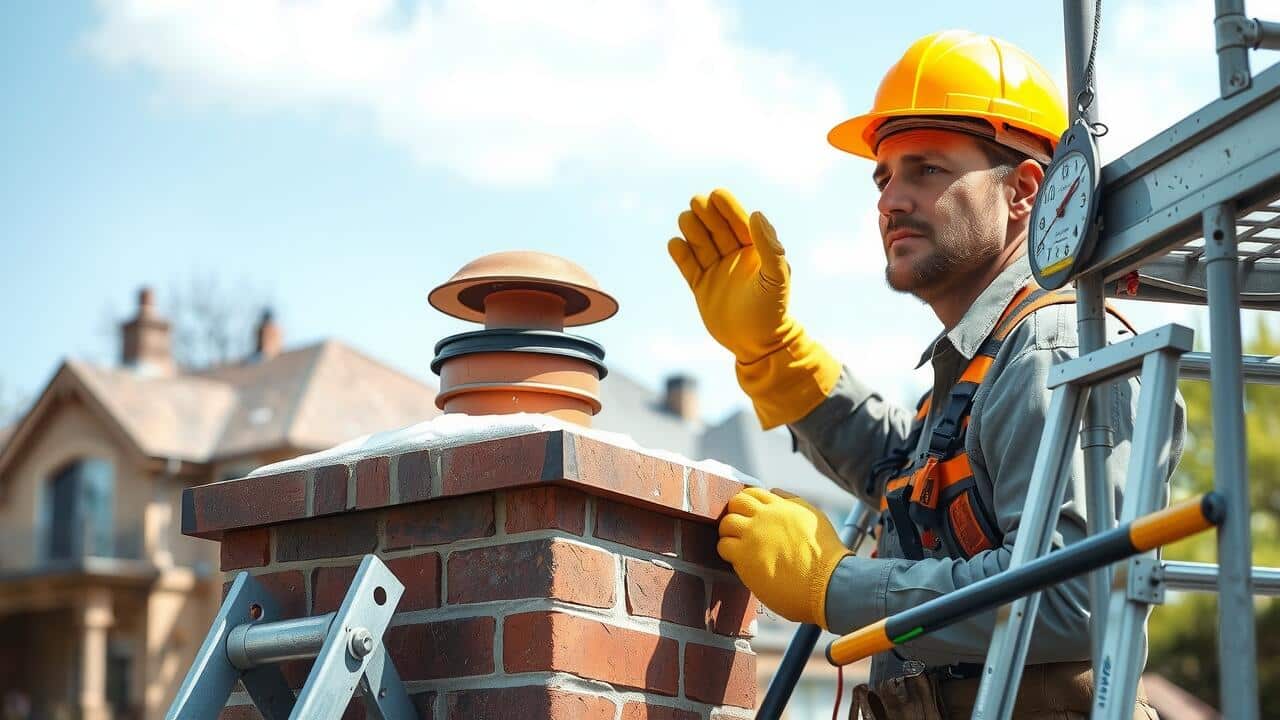
At Anytime Air Duct Cleaning Carrollton TX, we understand the importance of maintaining a safe and efficient home environment, which is why we offer expert chimney repair services. Our skilled technicians are equipped to inspect, diagnose, and repair any issues that may affect your chimney’s functionality and safety, including cracks, blockages, and deterioration. We use high-quality materials and state-of-the-art techniques to ensure your chimney operates at peak performance, helping to prevent dangerous chimney fires and carbon monoxide buildup. With our commitment to exceptional customer service and attention to detail, you can trust us to restore the integrity of your chimney, providing peace of mind for you and your family.
The Role of Regular Inspections
Regular inspections are essential for maintaining the safety and efficiency of your fireplace and chimney system. Homeowners often overlook this crucial aspect, leading to potential dangers, such as carbon monoxide leaks and fire hazards. A thorough inspection can identify issues like creosote buildup, spalling of brickwork, or deterioration of mortar joints that may pose a risk if left unaddressed. Taking proactive measures ensures early detection of problems before they escalate into more severe and costly repairs.
The value of routine evaluations extends beyond mere safety; they can also enhance the longevity of your chimney. Building components such as the chimney cap and liner require maintenance to withstand the elements and prevent water damage. Regular inspections can pinpoint areas in need of tuckpointing, repointing, or waterproofing, thus preserving the structural integrity of the entire chimney system. For homeowners considering DIY solutions, professional assessment provides insights into effective maintenance strategies, ultimately safeguarding both health and investment.
Benefits of Routine Evaluations
Routine evaluations of chimney systems are essential for maintaining safety and efficiency in any home. By identifying potential issues early on, homeowners can prevent hazards such as chimney fires, carbon monoxide leaks, and gas leaks. Regular inspections help check the integrity of key components, including the flue liner and chimney stack. Damage to these parts can result in dangerous situations that necessitate emergency services if not addressed promptly. Homeowners benefit from peace of mind, knowing their chimney is functioning properly and safely.
Additionally, these evaluations provide an opportunity to enhance the overall performance and aesthetics of the chimney. Improperly maintained chimneys can lead to costly repairs and may even impact insurance claims in the case of an incident. By investing in routine inspections, homeowners not only protect their property but also potentially save money in the long run. Tackling issues like efflorescence or deterioration early ensures that the chimney remains in good condition, thereby extending its lifespan and preserving its value.
Understanding Chimney Anatomy
A chimney serves as a crucial component of a home’s heating and ventilation system, designed to safely channel harmful gases away from living spaces. Understanding its anatomy can help homeowners appreciate the complexity of this structure. At its core, a chimney consists of several key components including the flue, crown, and damper, each serving a unique purpose. The flue acts as the passage for smoke and gases emanating from cooking or burning wood and gas. The crown protects the top of the chimney from moisture damage, while the damper controls airflow, ensuring efficiency.
Materials used in chimney construction significantly influence its durability and performance. Traditional brick and mortar are common, providing an aesthetic appeal along with structural strength. In contrast, modern chimneys may use metal or terra cotta, offering various advantages in terms of energy efficiency and resistance to corrosion. With the increase in severe weather events like flooding and lightning strikes, understanding the materials’ resilience against these factors is vital for maintaining chimney safety and longevity. Regular home inspections can identify potential weaknesses and risks in chimney systems, bolstering safety and performance.
Key Components of a Chimney System
A well-functioning chimney system consists of several key components that work together to ensure safe and efficient venting of exhaust gases from a home. The flue serves as the primary passageway for smoke and gases to escape, lined with materials such as metal or terra cotta to enhance durability and resistance to corrosion. Chimney caps are crucial in preventing moisture infiltration and blocking debris from entering the flue, while also keeping pests at bay. Masonry or prefabricated structures provide the foundational support, with brick and mortar or metal options available depending on the design and preferences.
Understanding the intricacies of a chimney’s anatomy can prevent emergency situations arising from overlooked issues. Regular inspections help identify wear and tear, particularly in components like flue liners and caps, which can deteriorate over time. Combustible materials near the chimney pose a fire risk, making it essential to maintain clearances. For homeowners considering do-it-yourself repairs, knowledge of the manufacturer’s recommendations and correct installation techniques is vital to ensure reliability. Proper maintenance not only extends the lifespan of the chimney but also enhances overall home safety during the heating season.
Emergency Repair Situations
Chimney issues can lead to significant risks if not addressed promptly. Homeowners should be vigilant for signs of rusting in steel components or fractures in brick and mortar. Erosion of tiles, often exacerbated by moisture or debris accumulation, may indicate a need for immediate repairs. In counties like Maryland or Kansas City, heavy rains and flooding can lead to structural stress in chimneys, complicating airflow and increasing the potential for gas leaks.
When immediate action is necessary, accessibility becomes a critical factor. Scaffolding may be required to safely reach higher areas of the chimney. Inspections by certified individuals help identify dangerous conditions before they escalate. Neglecting signs of distress can result in costly repairs and unsafe environments for families. Keeping chimney components like cast iron elements in good condition is essential for health and safety.
Recognizing When Immediate Action is Needed
Chimneys often show signs that indicate the need for immediate attention. In some cases, unusual noises coming from the flue can suggest blockages or malfunctioning components. A sudden buildup of soot or creosote is equally alarming, as it can significantly increase the risk of chimney fires. Homeowners must also be attentive to any visible cracks in the masonry, which can compromise the chimney’s integrity and allow harmful gases like carbon monoxide to escape into the living space.
Another critical sign of distress is the presence of water leaks or moisture damage near the base of the chimney. This may signal issues with the flashing or crown, potentially leading to more severe structural problems. If you notice an unpleasant odor, particularly a musty smell, it could indicate mold growth or trapped debris. Recognizing these warning signs early can save substantial costs associated with more extensive repairs or even potential safety hazards.
FAQS
How often should I schedule a chimney inspection?
It is recommended to have a chimney inspection at least once a year, ideally before the heating season begins, to ensure it is safe and functioning properly.
What are the signs that my chimney needs repairs?
Signs that your chimney may need repairs include visible cracks in the masonry, crumbling brick, water leaks, a strong odor of creosote, or smoke backing up into your home.
Can I perform chimney maintenance myself?
While some basic maintenance tasks, like cleaning out debris, can be done by homeowners, it’s best to hire a professional for inspections and repairs to ensure safety and compliance with building codes.
What are the risks of ignoring chimney repairs?
Ignoring chimney repairs can lead to serious safety hazards, including chimney fires, carbon monoxide poisoning, and structural damage to your home.
How much do chimney repairs typically cost?
The cost of chimney repairs can vary widely depending on the extent of the damage and the type of repair needed, but homeowners should expect to pay anywhere from a few hundred to several thousand dollars.